Broken seal strips
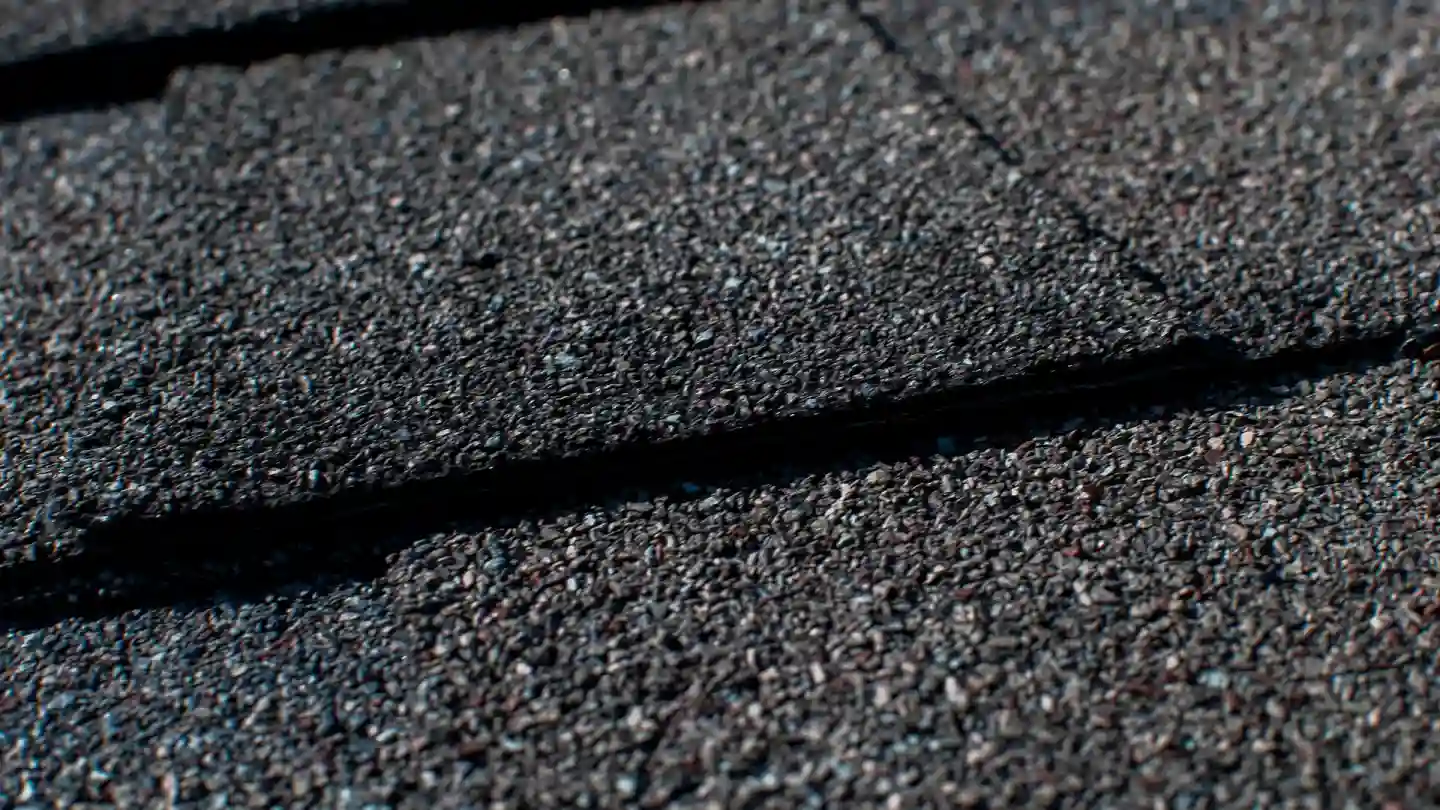
Shingles that lifted in the wind and settled back down look fine, but no longer stick to the course below and blow off in the next storm.
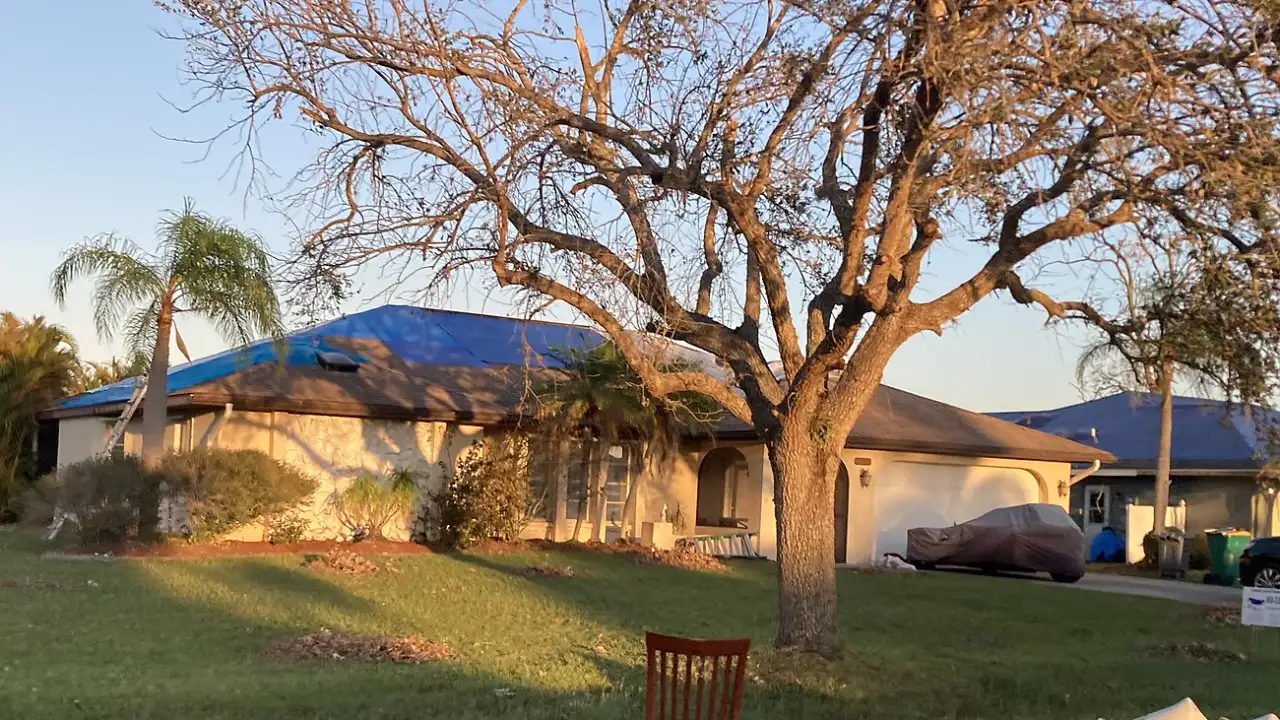
Storm and hurricane damage
Emergency tarping, a dated record of the damage for your insurer, and a permanent repair once your claim is settled. One crew, one point of contact, from the first call to the final inspection.
The first 48 hours
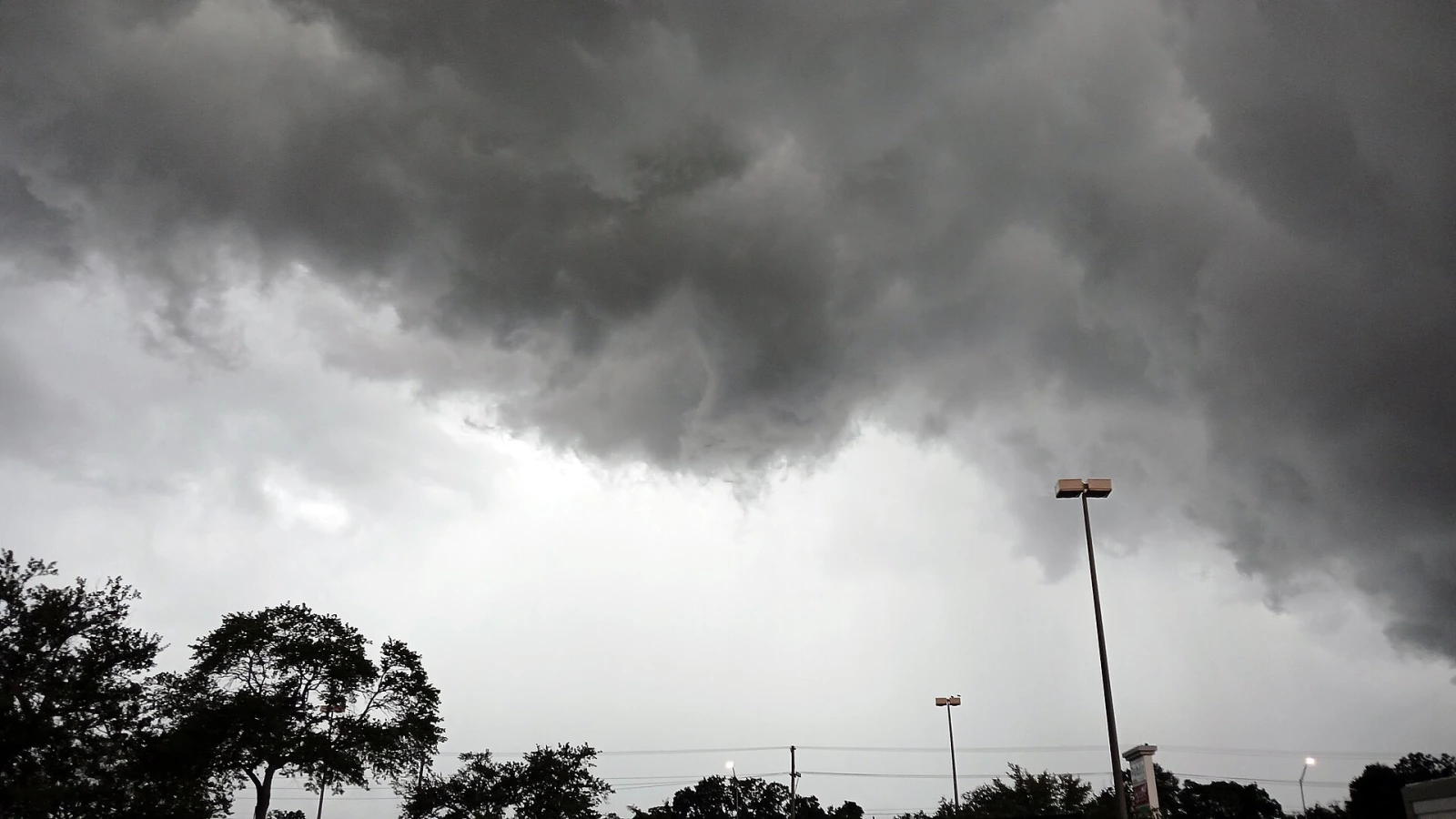
When a hurricane or a summer squall has passed, the order you do things in matters, for your safety and for your claim.
Keep off the roof and away from downed lines. Shut off power to wet areas at the breaker.
From the ground and inside: missing shingles, debris, stains, wet insulation. Note the date and time.
Report the damage and ask for your claim number. Read what your policy says about emergency repairs.
We cover open areas to prevent more damage, and photograph everything before the tarp goes on.
Tarp · Document · Scope · Repair
Every storm visit ends with a dated report: wide shots of each slope, close-ups of each damaged area, measurements and an attic check. If you would like us there when your adjuster inspects the roof, we will meet them on site and walk the roof with them.
Hidden damage
Florida storms bring wind, wind-driven rain and sometimes hail. Some of the most expensive damage is the least visible.
Shingles that lifted in the wind and settled back down look fine, but no longer stick to the course below and blow off in the next storm.
Flying debris cracks tiles that stay in place. Water then reaches the underlayment, which ages faster once it is wet.
Metal at walls and valleys gets pushed up just enough to let wind-driven rain in sideways.
Water that gets in under the roof covering can soak the plywood. We check the attic for staining and soft spots.
Insurance, plainly
Florida has strict rules on how roofing contractors may talk about insurance claims, and we follow them. Your policy and your insurer decide what is covered.
Before the season
The cheapest storm repair is the one made in May. Hurricane season runs from June 1 to November 30, and a pre-season check finds the loose flashing, cracked pipe boots and lifted shingles that let the first big storm in.
The check is part of our free inspection: we walk the roof, clear debris from valleys and gutters where it is safe to do so, and send you a short report with anything worth fixing before summer.
Book a pre-season checkQuestions
Your insurer and your policy decide what is covered. We make sure the condition of your roof is clearly documented.
Wind can break shingle seals and crack tiles without anything looking wrong from the ground, and the leak may not show until the next heavy rain. A free inspection after a named storm gives you dated photos of the roof’s condition either way.
Open roofs and water coming inside come first. After a major storm we work through requests in order of urgency and tell you honestly when a crew can reach you.
Most policies expect you to take reasonable steps to prevent further damage, and a tarp is one of them. We photograph the damage before we cover it and give you an invoice for the tarping to send to your insurer.
Small storm damage often needs a repair, not a new roof.
When the damage is too widespread, the full replacement process.
An illustrated tile repair after a storm in St. Petersburg.
Request an inspection and add photos of the damage.
Add photos from the ground if you have them. Open roofs and leaks get priority, and every visit ends with a dated photo report.